
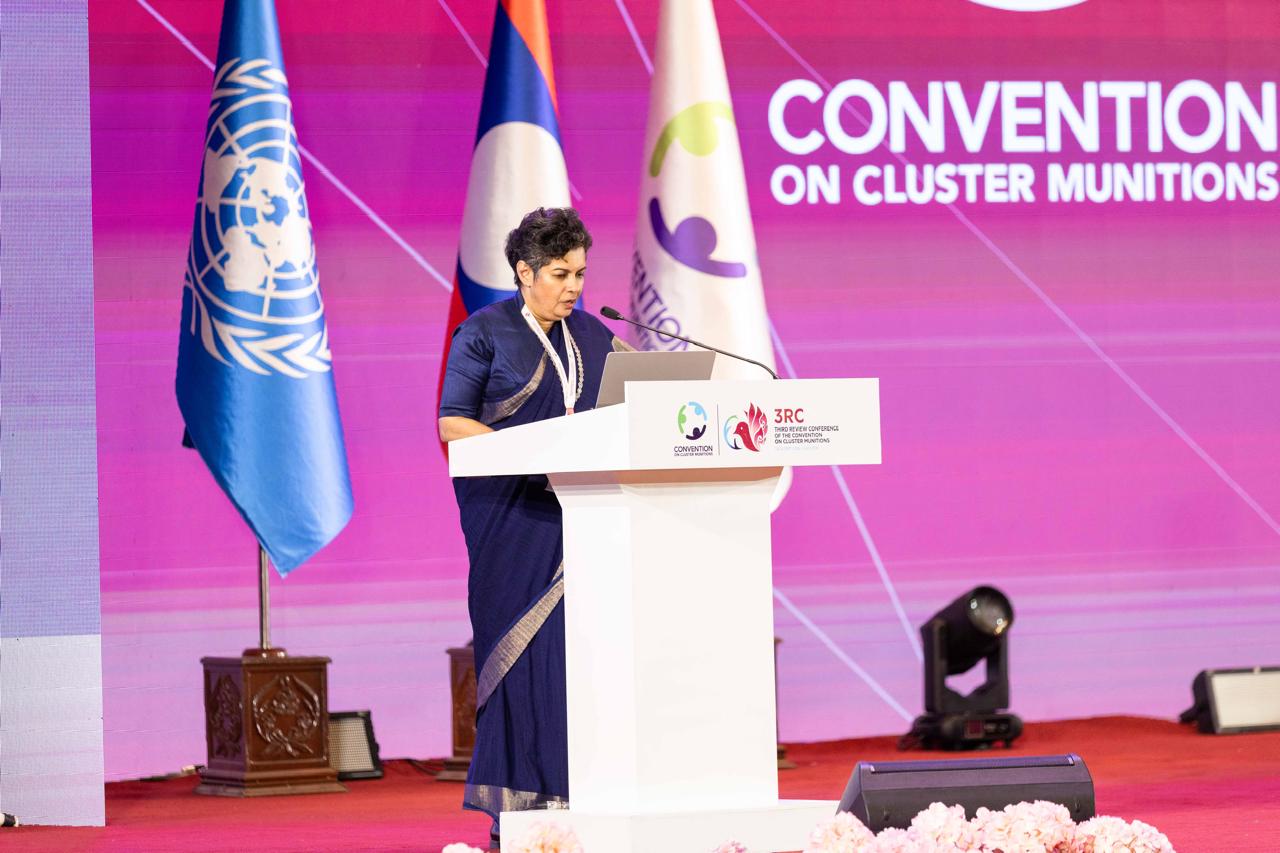
Mr. President,
Excellencies,
Distinguished Delegates,
I wish to at the outset congratulate His Excellency Thongsavan PHOMVIHANE, the Deputy Prime Minister and Minister of Foreign Affairs of the Lao People’s Democratic Republic, on his assumption of the Presidency of the Third Review Conference of the Convention on Cluster Munitions (CCM). We also thank the Government of Lao PDR for their commitment, excellent Conference arrangements as host, and warm hospitality. Sri Lanka assures you Mr. President, of our fullest cooperation and support, as we deliberate on our collective commitment to advance the overarching humanitarian objectives of this critical Convention.


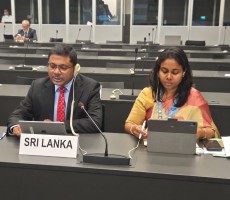
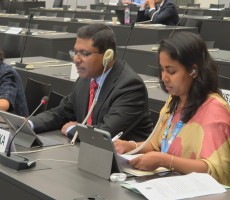
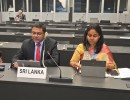
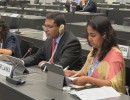
Addressing the Preparatory Committee for the Seventh Review Conference of the Convention on Certain Conventional Weapons (CCW) in Geneva, on 07 September 2026, Sri Lanka’s Permanent Representative to the United Nations in Geneva, Ambassador Sumith Dassanayake called on establishing an explicit negotiating mandate for a legally binding instrument on Lethal Autonomous Weapons Systems (LAWS) at the forthcoming Review Conference of the Convention. Permanent Representative Sumith Dassanayake also emphasized that human judgment and control remain essential throughout the entire life cycle of autonomous weapons systems to maintain legal, ethical, and operational integrity and compliance with the International Humanitarian Law (IHL).
Highlighting that life-and-death decisions in armed conflicts must never be delegated to machines without human intervention, Permanent Representative Sumith Dassanayake urged Member States to adopt strict prohibitions on autonomous weapon systems that operate outside human control or target human beings directly. Taking note of the multi-year discussions within the Group of Governmental Experts on Lethal Autonomous Weapons Systems (LAWS), Sri Lanka stressed that the upcoming Seventh Review Conference must move beyond generic exploratory work programs and establish clear, time-bound negotiating mandates for an international legal framework.
Congratulating Ambassador Julien Thöni, Permanent Representative of Switzerland to the Conference on Disarmament, on assuming the Chairmanship of the Preparatory Committee and the Seventh Review Conference scheduled for November 2026, Permanent Representative Sumith Dassanayake underscored that the Seventh Review Conference of the Convention on Certain Conventional Weapons (CCW) offers a crucial opportunity to ensure international law adapts effectively to contemporary security challenges.
Permanent Mission of Sri Lanka to the United Nations in Geneva
13 September 2026


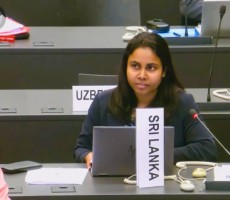
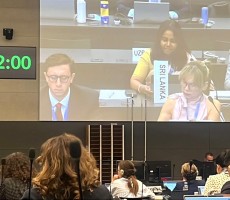

31 August 2026, Morning Session
Thank you Mr. Chair
At the outset, Sri Lanka wishes to express its sincere gratitude to you, Mr. Chair, for your outstanding leadership, dedication, and guidance throughout the process of formulating this ‘set of elements.’
Navigating these complex deliberations is not an easy task, and we deeply commend your poise, patience, integrity and diplomatic skills, as well as the tireless efforts in bringing us to this pivotal stage, today.
Sri Lanka believes that the ‘Chair’s rolling text’ or the ‘set of elements’ contained in sub-section A of the current version of the draft final report provides a foundation to fulfill the mandate of the GGE on LAWS and thus serves as the basis to launch formal negotiations on a legally binding instrument on lethal autonomous weapon systems within the CCW framework.
Paragraph 25:
Mr Chair,
Allow me to move to para 25 of your additional suggestions.
Sri Lanka wishes to place on record, its support for Paragraph 25, which establishes an essential foundation for the entire set of elements and workable definition for lethal autonomous weapon systems which could be used as a baseline for future negotiations.
We oppose any revisions or modifications to para 25 that risk weakening its substance or reducing its operational scope.
Maintaining a robust characterization is essential to ensure effective prohibitions and restrictions to govern emerging autonomous weapon technologies.
Mr. Chair,
While Paragraph 25 establishes a workable characterization, characterization alone is not sufficient. We must ensure that this characterization directly links to clear prohibitions in subsequent elements.
We note that the characterization in para 25 serves as an overarching, neutral characterization for all lethal autonomous weapon systems regardless of what they target.
Therefore, the systems that operate autonomously against human targets, such as anti-personnel autonomous weapons which are designed to directly target humans must be subject to an explicit, unconditional ban in a subsequent paragraph of the text to prevent digital dehumanization.
My delegation believes that the text needs to be further strengthened through our deliberations at this session by addressing such kinds of remaining gaps in several critical elements.
Mr. Chair,
My delegation has carefully listened to the proposals made by other delegations regarding the text. We view the current draft as a result of compromise. We should determine not to water-down the report in a way that would undermine years of effort, contributions and constructive convergence.
Sri Lanka wishes to recall to this forum and welcome the renewed call by the UN Secretary General and the President of the ICRC to commence negotiation on a legally binding instrument establishing clear prohibitions and restrictions, before it is too late. For this purpose, the 'set of elements' before us constitutes an indispensable foundation and the single most viable pathway to initiate negotiations before technological developments outpace our deliberations.
It is my delegation’s earnest hope that all delegations will strive toward our collective objective by further strengthening the 'set of elements' during this session.
Sri Lanka supports the full inclusion of the ‘set of elements’ in the final report of the GGE on LAWS.
Thank you
*******************************************************************************************
01 September 2026, Afternoon Session
Mr. Chair,
Para 35:
Sri Lanka maintains that Paragraph 35 must be firmly anchored in the foundational principles of International Humanitarian Law (IHL). While existing international legal frameworks were not designed for algorithmic warfare, current international law must be complemented by carefully coded, specific and binding operational rules in the subsequent paragraphs as a package based on how autonomous systems operate in the contemporary battlefield.
Para 36:
Regarding Paragraph 36, my delegation strongly supports the centrality of 'human judgement and control' throughout the life-cycle of lethal autonomous weapon systems. We place deliberate emphasis on leading with 'human judgement,' as this legal obligation centers on the active cognitive reasoning of the human mind.
Key IHL obligations such as assessing proportionality, distinguishing combatants from civilians, identifying surrenders require cognitive subjective reasoning that machines simply cannot perform. Placing 'judgement' first ensures that 'control' is recognized as the mechanism to enforce moral and legal reasoning, rather than mere technical and administrative oversight.
Furthermore, under International Criminal Law, legal liability for war crimes attaches to human intent and knowledge (or mens rea). If control is reduced to a purely technical exercise, attributing individual responsibility to a commander for algorithmic failure becomes exceptionally difficult. Leading with 'human judgement' guarantees that the human decision-maker remains legally accountable for the use of force. Reversing this sequence risks reducing human agency to administrative system oversight, rather than active legal and ethical decision-making over the use of force. Therefore, we support going back to the original formulation, ‘human judgement & control’.
My delegation remains firmly of the view that introducing the term 'indirect' creates a critical legal loophole. It permits machines to execute attacks without active, real-time human supervision, thereby diluting human control into pre-mission programming or remote oversight.
The distinction between 'direct' and 'indirect' control remains dangerously vague, eroding the precise level of human control required to ensure IHL compliance. Consequently, Sri Lanka opposes normalizing the absence of effective control through the formulation 'directly or indirectly' in para 36. Allowing algorithms to operate autonomously without continuous oversight, directly undermines the core IHL principles of distinction and precaution in dynamic combat environments. However, we understand the practical aspects of exercising human control in real operations whether it's ‘direct or indirect’. Therefore, we welcome the constructive proposals made by the delegations to bridge this gap and look forward to a common landing zone.
Para 38:
Additionally, real-time control is required to ensure the responsible chain of command as outlined in para 38 (a) and timely deactivation or neutralization capability as outlined in Paragraph 38 (d) to prevent legal responsibility gaps.
Para 37:
We oppose making human control entirely subjective as outlined in para 37. Militaries could easily invoke 'operational context' to lower ‘control’ thresholds in a dynamic conflict environment. Sri Lanka is of the view that core parameters of ‘human control’ must remain mandatory and inalienable baselines, rather than discretionary choices based on operational convenience.
Thank you.
*******************************************************************************
03 September 2026, Afternoon Session
Mr. Chair,
We appreciate your efforts in presenting the revised version of the draft report. We see this text as a minimum standard to move to the next step. Even though it is not the perfect solution, it represents an optimal result of compromise and result of lengthy deliberations we had at the GGE on LAWS over the years. We also understand your rationale behind the revisions.
However, my delegation remains cautious regarding the deletion of the previous paragraph 34.
Additionally, it is difficult for my delegation to agree to the inclusion of the phrase "as feasible" in the new paragraph 36, as it could be read as a qualifier for considering factors to exercise human judgment. Conditioning ‘control’ on what is "feasible" under an "operational context" transforms an imperative legal duty into a discretionary operational preference. Therefore, we request you to revisit the language in paragraph 36, possibly by deleting the phrase "as feasible," which could otherwise risk legally validating unmonitored algorithmic execution as "unfeasible" in highly intensified military operations.
Mr. Chair, we bring these comments at this stage as we see human judgement and control are central to prohibiting and restricting LAWS in compliance with IHL principles.
Mr Chair,
My delegation is concerned about any further dilutions to the text and we reserve our comments on certain revisions in the spirit of compromise and joining consensus.
Chair, my delegation, deeply value your hard work and tireless efforts in the process.
Thank you.


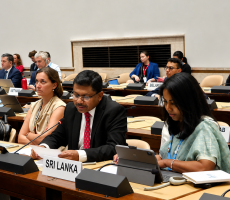
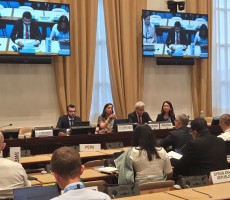

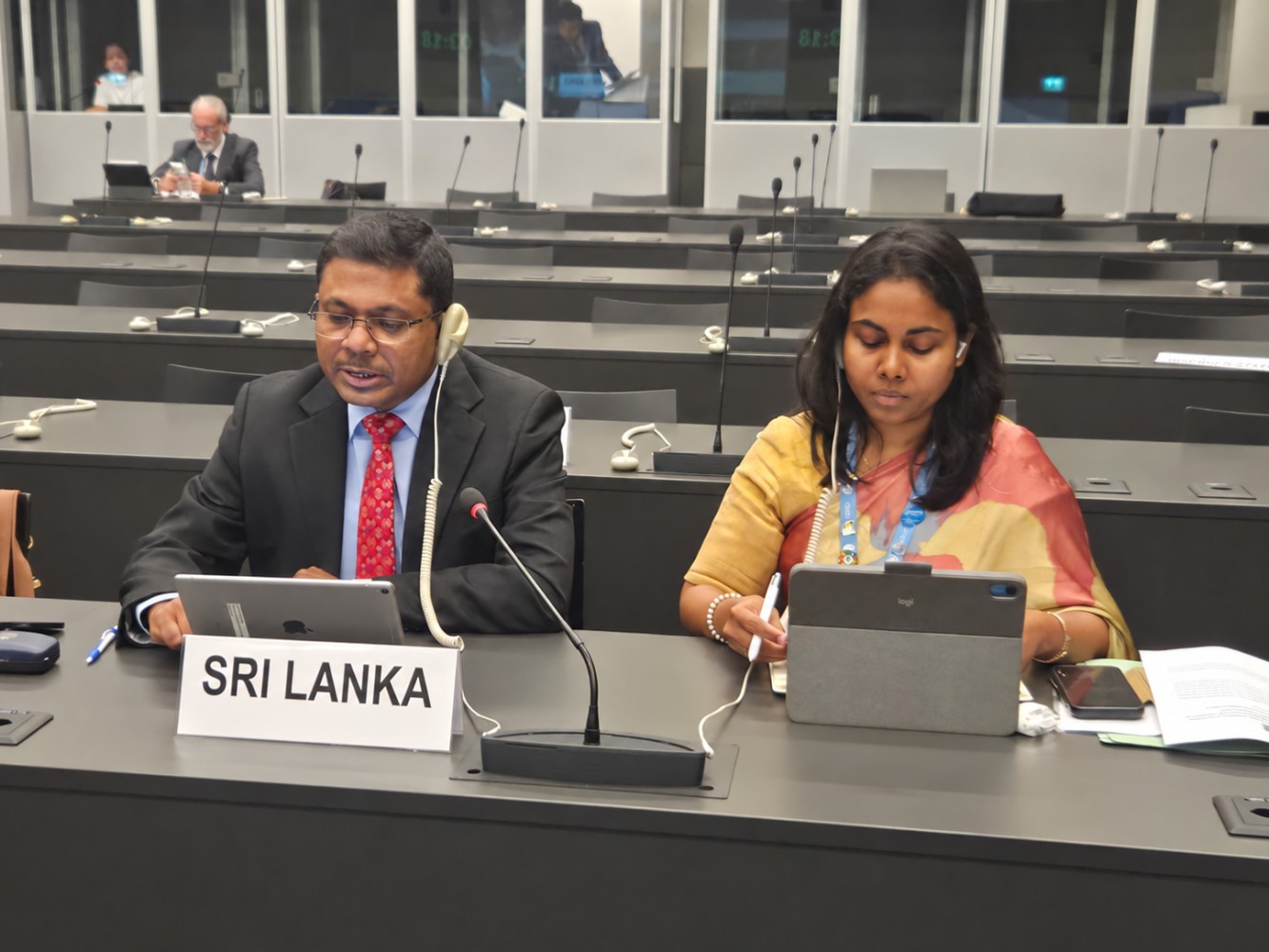
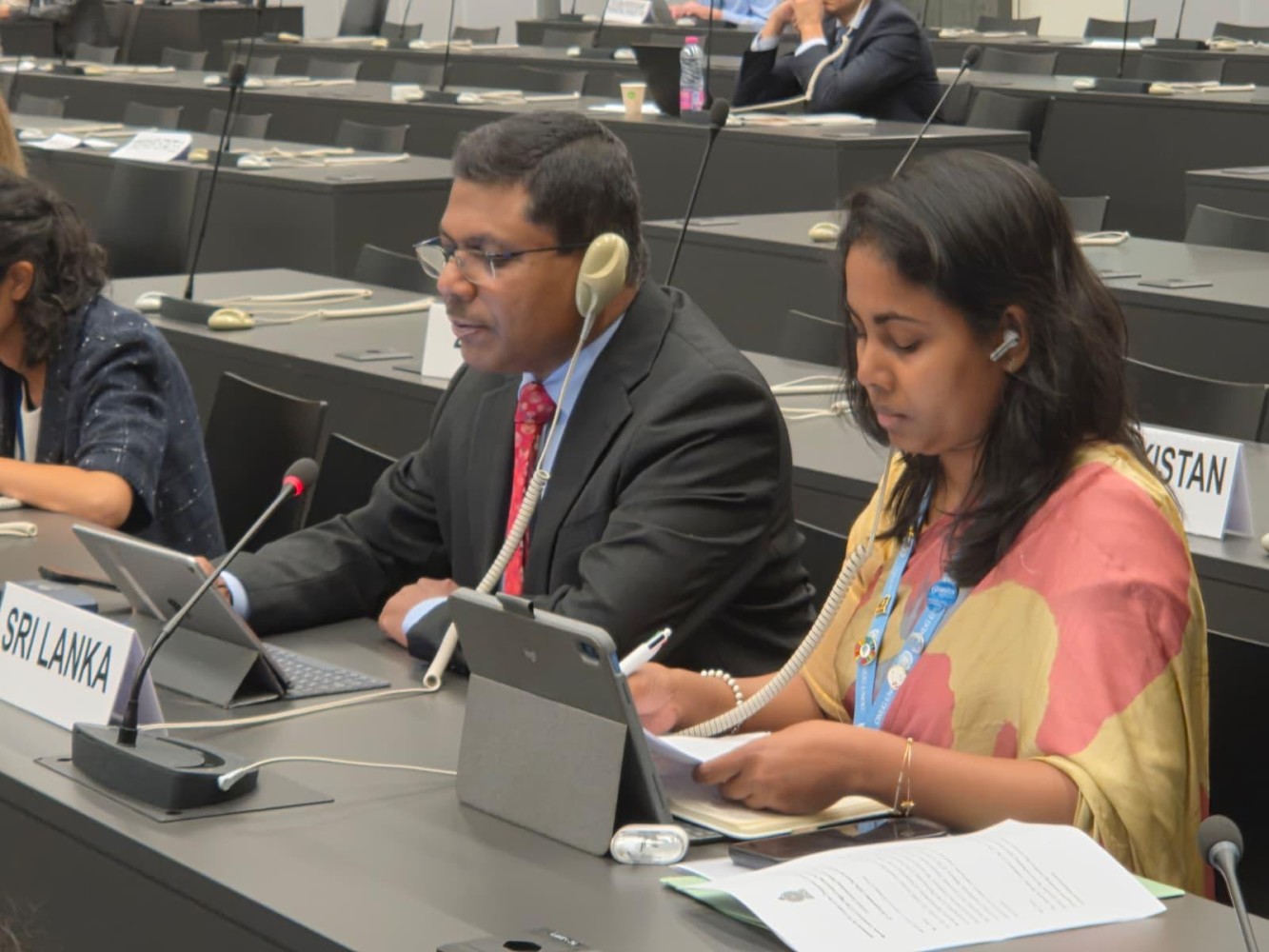
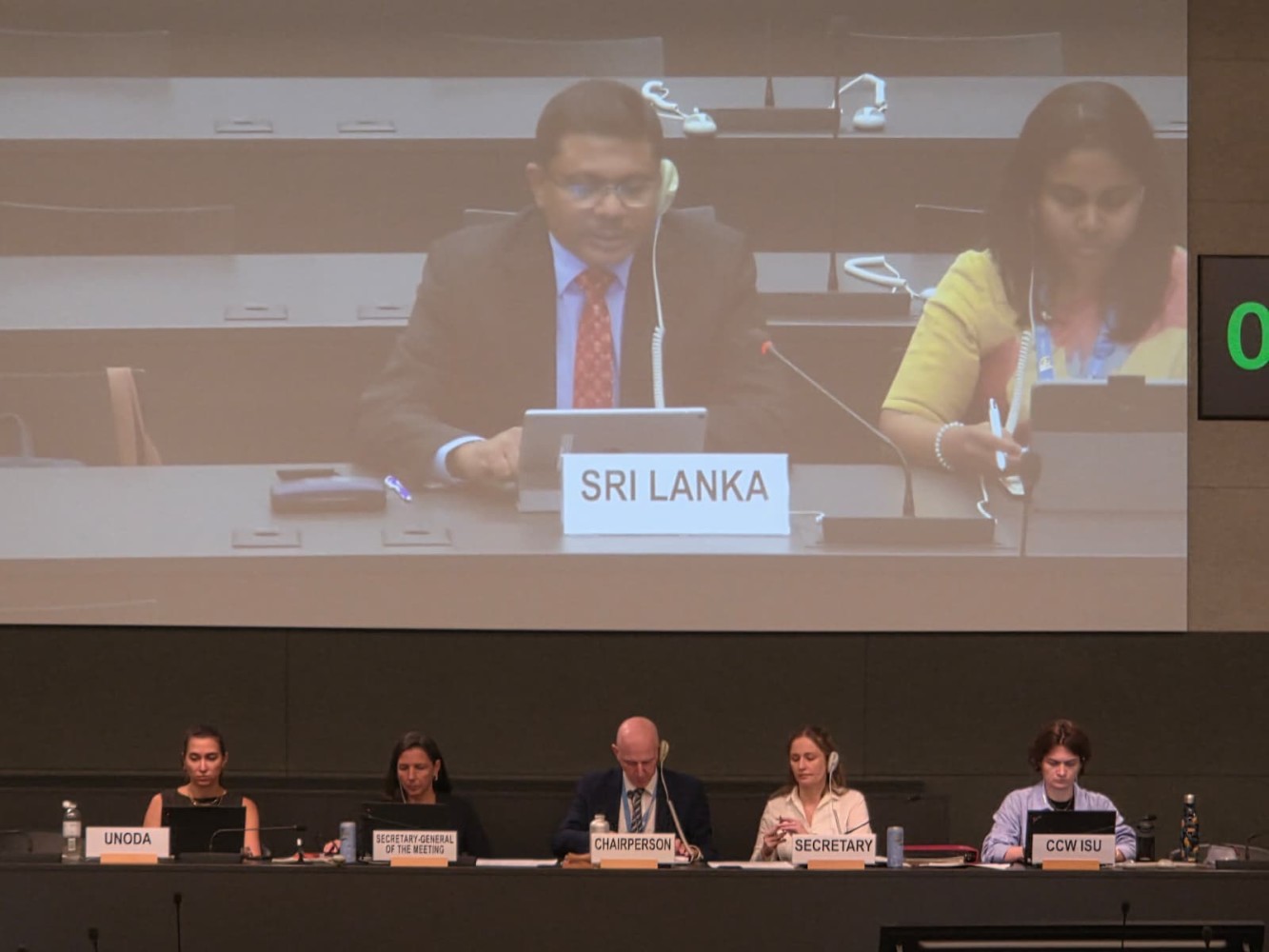
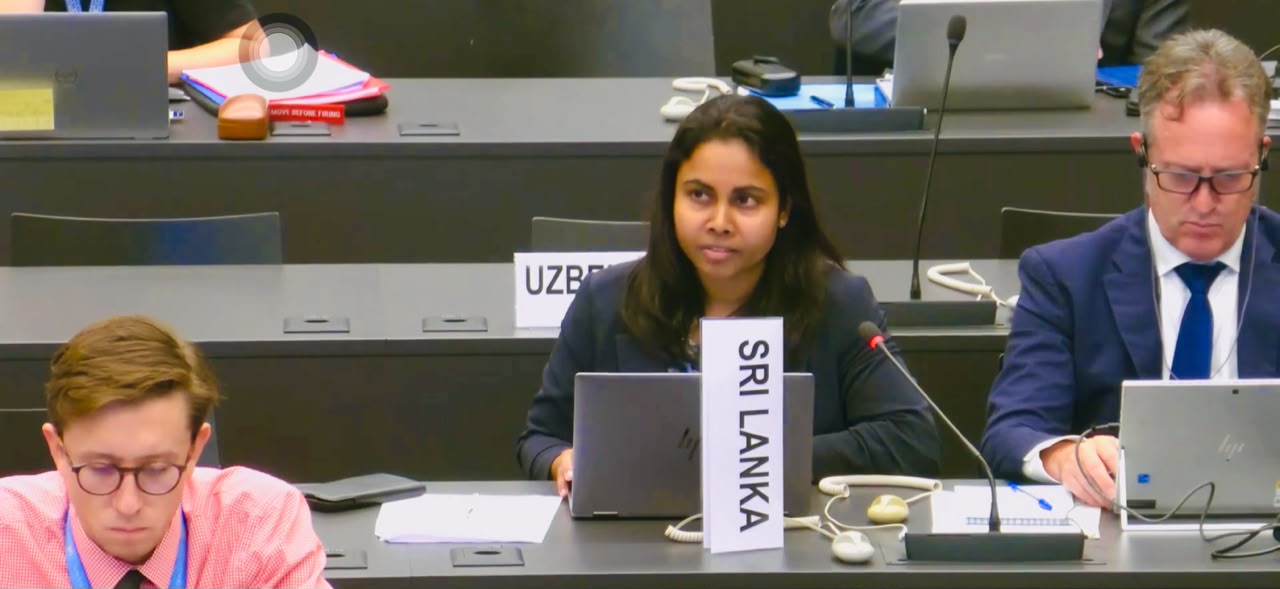
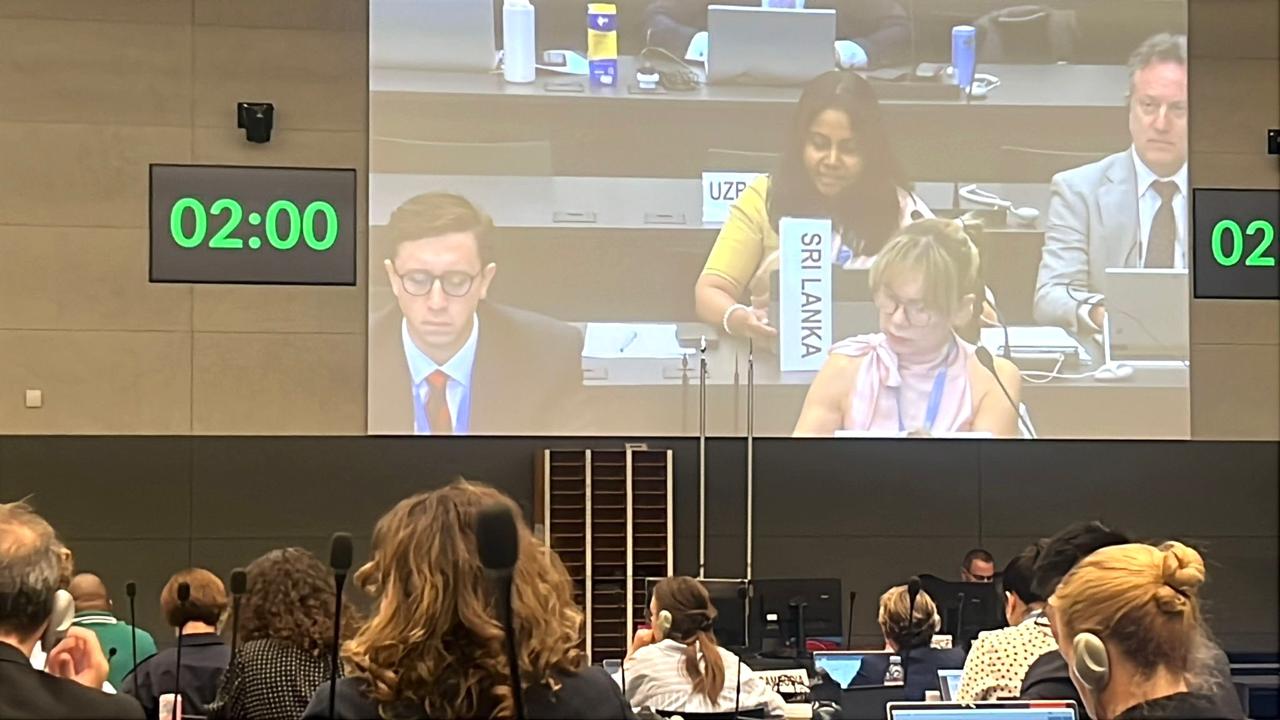
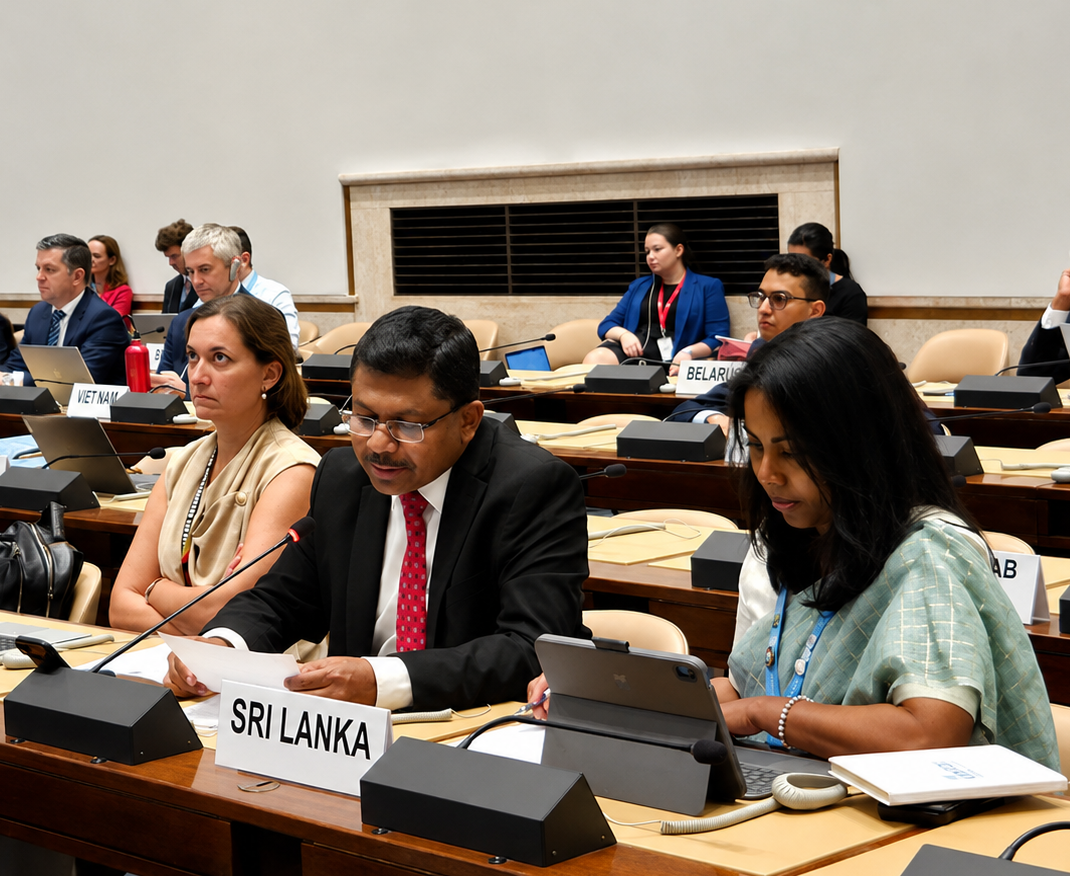
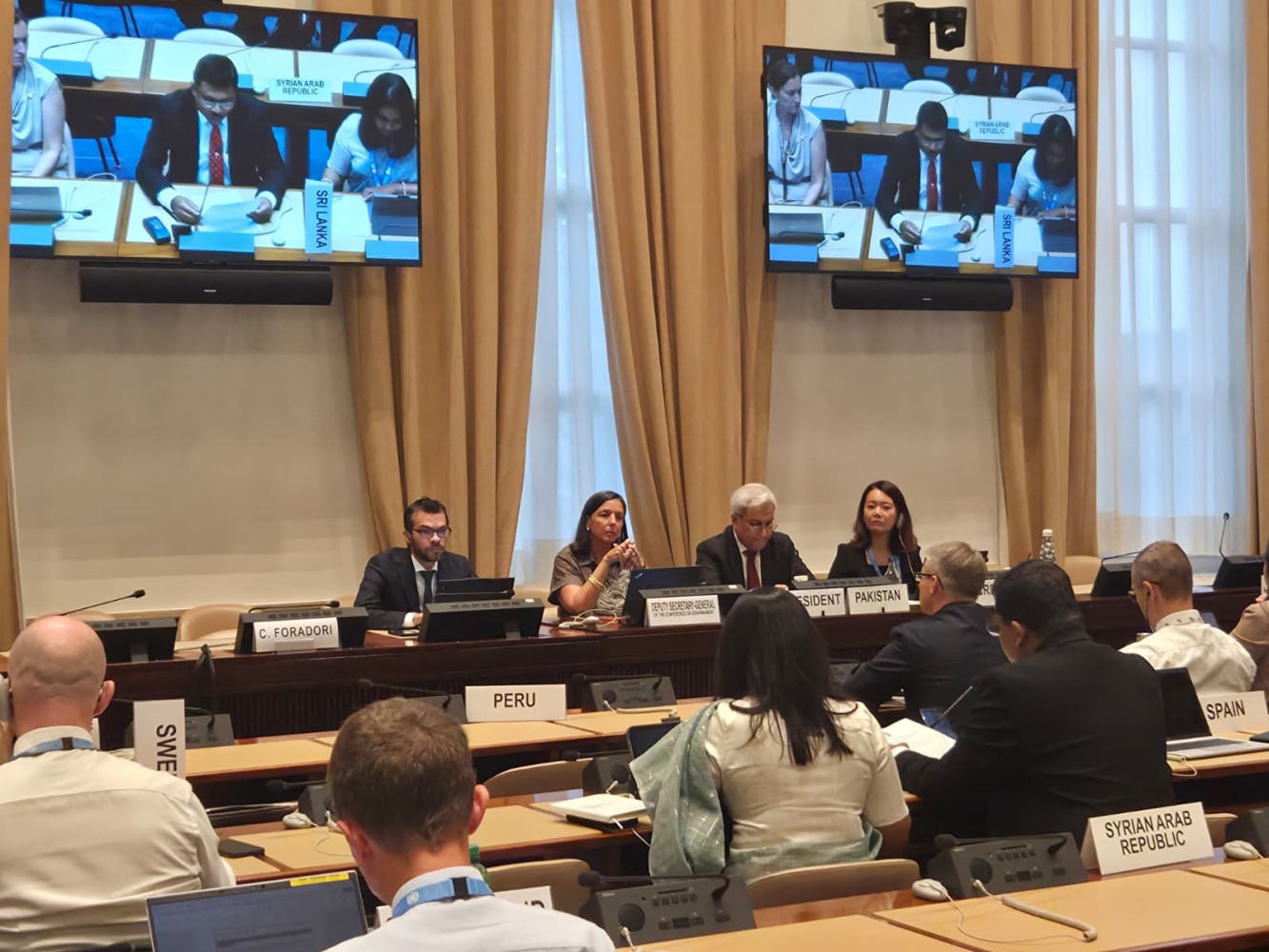
The Permanent Representative of Sri Lanka to the United Nations in Geneva, Ambassador Sumith Dassanayake, addressing the Conference on Disarmament (CD) on 20 August 2026, reiterated Sri Lanka’s long-standing and principled position that outer space is a common heritage of humankind and must be preserved exclusively for peaceful purposes. Ambassador Dassanayake further stated that Sri Lanka firmly rejects any strategic doctrine that seeks to turn outer space as a warfighting domain or a battlefield for geopolitical rivalry, stressing that all space activities must strictly adhere to the UN Charter and the Outer Space Treaty.
Highlighting key outcomes of the recent multilateral deliberations on outer space disarmament, Sri Lanka emphasized that while voluntary Transparency and Confidence-Building Measures (TCBMs) can serve as useful interim steps to build trust, they can never substitute a comprehensive, legally binding, and multilaterally verifiable treaty that prohibits the placement of weapons in outer space.
Ambassador Dassanayake also congratulated the newly appointed Permanent Representative of Pakistan on assuming the Presidency of the Conference on Disarmament and conveyed Sri Lanka’s best wishes for a successful tenure.
Sri Lanka further drew the attention of the Conference on the existential threat posed by space debris in Near-Earth orbit, stressing that the generation of such debris disproportionately affects non-spacefaring developing nations that rely heavily on global space infrastructure. Calling for concrete and effective debris mitigation measures, Sri Lanka cautioned that efforts to manage space threats must not become a pretext for discriminatory restrictions that hinder developing countries from accessing space technologies essential for climate resilience, disaster management, and sustainable development.
Permanent Mission of Sri Lanka to the United Nations in Geneva
23 August 2026
Mr. President,
At the outset, allow me to extend warmest congratulations to Permanent Representative of Pakistan, His Excellency Tahir Hussain Andrabi and to the delegation of Pakistan, on assuming the Presidency of the Conference on Disarmament. Your Excellency, rest assured of my delegation’s fullest support and cooperation as you guide the work of this august body. Sri Lanka also takes this opportunity to appreciate the leadership, vision and commitment of the previous Presidencies of the CD, this year.
I also take this opportunity to warmly welcome newly appointed Permanent Representative of Germany and Actg. Head of the Delegation of the USA.
Sri Lanka wishes to express its sincere appreciation to His Excellency Carlos Mario Foradori, Ambassador and Permanent Representative of Argentina, Coordinator of the Subsidiary Body 3 and the Chair of the Open-ended Working Group on the prevention of an arms race in outer space in all its aspects for his dedicated leadership and for presenting his reflections to the Conference, today.
Mr. President,
The agenda item 3 – ‘Prevention of an arms race in outer space’ has become an important aspect in global disarmament that warrants our attention more than ever
Sri Lanka’s position on outer space security remains clear, consistent, and principled. Outer space is a common heritage of humankind. It must be preserved exclusively for peaceful purposes and for the benefit of all nations, irrespective of their degree of scientific or economic development. We firmly reject any strategic doctrine that seeks to frame outer space as a warfighting domain or extended battle field for global power competition.
We strongly believe that the activities in outer space should be guided by the principles enshrined in the UN Chater, particularly Article 2 on the prevention of threat or use of force. Further we call that all activities in outer space should align with the existing provisions of the Outer Space Treaty.
My delegation takes positive note of the deliberations during the Subsidiary Body 3 as well as at the third session of the OEWG in last July. It is noted that while substantive divergences remain, particularly regarding the definition of ‘space weapons’ and ‘the scope of future legal obligations’, there is meaningful convergence on the urgent need to protect civilian space-based infrastructure, prevent harmful interference, and reduce the risks of miscalculation.
Mr. President,
As we look ahead to the future work of the OEWG and broader PAROS discussions in the CD, Sri Lanka wishes to outline the following key considerations:
- First, Sri Lanka is of the view that voluntary norms, behavioral guidelines, and Transparency and Confidence-Building Measures (TCBMs) are valuable interim steps to build trust and confidence. However, they are complementary and can never replace a comprehensive, legally binding, and multilaterally verifiable treaty approach prohibiting the placement of weapons in outer space.
- Second, the rapid developments in dual-use systems, commercial installations, and counterspace capabilities require balanced regulation. Measures must be comprehensive to address not merely the testing of destructive capabilities, but the research, production, deployment, and placement of all space weapon systems.
- Third, any future legal instrument must feature an adaptable verification mechanism. Rapid advancements in dual-use technology and the rise of commercial space actors require verification protocols that can evolve alongside technology, supported by a clear dispute resolution framework to manage compliance equitably.
- Fourth, frameworks established to mitigate space threats must not serve as pretext for discriminatory restrictions that impede developing, non-spacefaring nations from accessing space applications vital for climate resilience, disaster management, and sustainable development.
- Fifth, the generation of space debris poses an existential risk to the long-term sustainability of Near-Earth orbit. Sri Lanka stresses that space debris creation disproportionately impacts non-spacefaring nations reliant on global space assets. Preventing an arms race must encompass concrete rules on debris mitigation to avoid the disastrous consequences of orbital overcrowding and collision cascades.
In conclusion, Mr. President, as a longstanding co-sponsor of the UN General Assembly resolution on PAROS together with Egypt, Sri Lanka reaffirms its commitment to working constructively within the Conference on Disarmament, the OEWG and other multilateral engagements, including the UNGA First Committee to ensure the long-term safety, security, and sustainable use of outer space exclusively for peaceful purposes.
Thank you
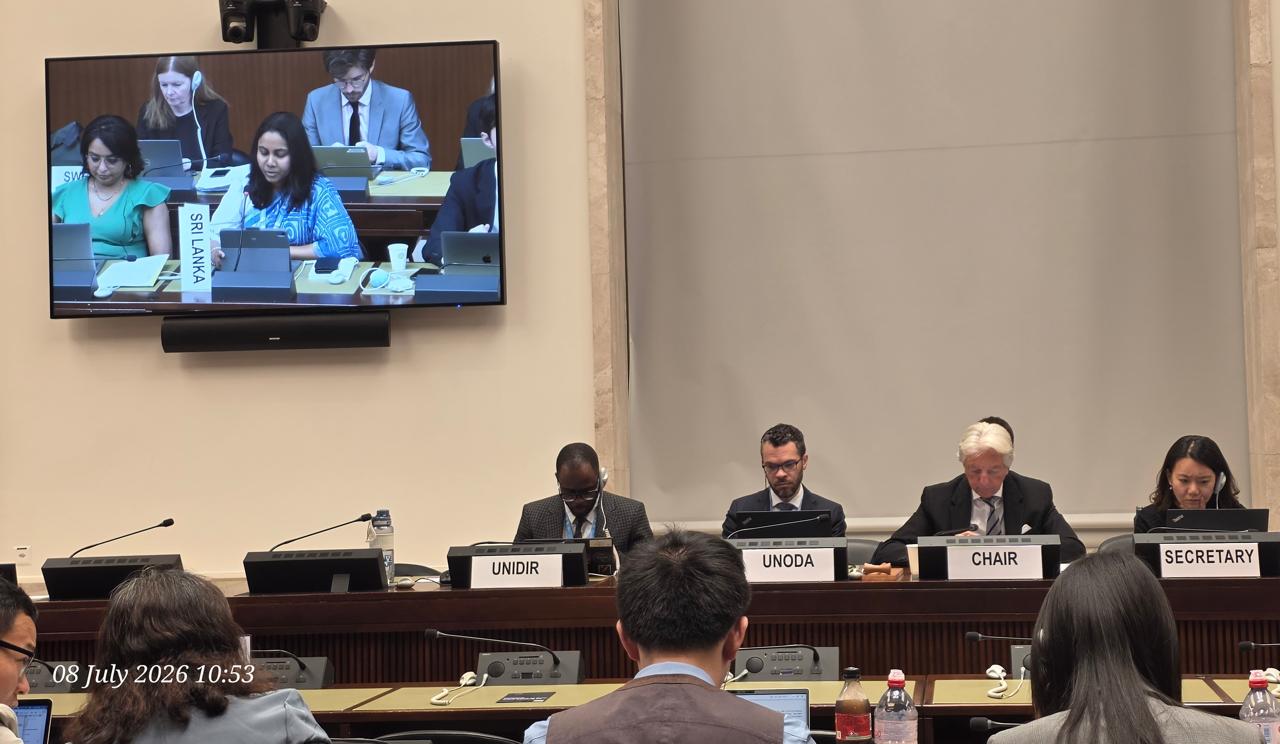
Mr. Chair,
At the outset, the delegation of Sri Lanka wishes to express deep condolences and solidarity with the people of Venezuela following the devastative impact of the recent earthquake.
Mr. Chair, since this is the first time that my delegation is taking the floor, Sri Lanka wishes to congratulate you on your continued leadership for the third session of the Open-ended Working Group.
Mr. Chair,
Sri Lanka’s approach to outer space security remains clear, consistent, and deeply rooted in our historical commitment. We reaffirm the foundational principle that outer space is the common heritage of humankind. Its exploration and use must be reserved exclusively for peaceful purposes, operating to the benefit of all peoples, irrespective of their level of economic, technological or scientific development.
We strongly believe that the activities in outer space should be guided by the principles enshrined in the UN Chater, particularly Article 2 on the prevention of threat or use of force. Further we call that all activities in outer space should align with the existing provisions of the Outer Space Treaty.
Guided by this vision, we strongly reject any militaristic approach that risks drawing humanity into a catastrophic orbit of conflict, where the consequences will not be confined to spacefaring nations but will fall heavily upon the entire global community, particularly developing nations that rely on space-based socio-economic infrastructure.
Mr. Chair,
Under this agenda item, our focus is fixed on the crucial imperative of preventing the placement of weapons in outer space. Sri Lanka has long maintained that the most effective way to address this threat is early conclusion of a comprehensive, legally binding, and multilaterally verifiable international treaty.
My delegation strongly maintains that voluntary norms, rules, and transparency and confidence-building measures (TCBMs) are useful but inherently complementary in nature and not substitute for a legally binding instrument. We believe that such measures serve as valuable interim steps to reduce mistrust and build confidence while leading to future foundational steps for a legally binding treaty architecture.
Mr. Chair, therefore, we express our support for this working group as it seeks the best outcome of these various approaches in a complementary and incremental way. To this direction, our work should be based on existing work carried out so far in the Conference on Disarmament, First Committee and other UN-led initiatives while avoiding duplications.
Mr. Chair,
To ensure that measures against the placement of weapons are both practical and enduring, my delegation wishes to highlight the following specific priorities:
First, the scope of prevention must be comprehensive. Partial measures that focus solely on the testing of specific technologies leave dangerous legal gaps. A robust prevention framework must explicitly address, and restrict the research, development, production, and deployment of all weapon systems designed for placement in orbit.
Second, any future legal instrument must feature an adaptable verification mechanism. Rapid advancements in dual-use technology and the rise of commercial space actors require verification protocols that can evolve alongside technology, supported by a clear dispute resolution framework to manage compliance equitably.
Third, legal frameworks must safeguard the access to developing states for peaceful use of outer space. The prevention of an arms race must not limit developing nations from accessing space science, technology, and data for peaceful applications such as climate monitoring, disaster management, and sustainable development.
Mr. Chair,
In conclusion, Sri Lanka has historically been a foundational pillar of prevention of arms race in outer space, notably serving as the traditional co-sponsor of the annual UN General Assembly resolution on the Prevention of an Arms Race in Outer Space (PAROS) together with Egypt.
Sri Lanka's position rests on the cardinal principle that outer space is the common heritage of humankind and must be used exclusively for peaceful purposes.
My delegation stands ready to work constructively with all delegations to achieve these shared goals.
Thank you.
- Permanent Representative Sumith Dassanayake highlights Sri Lanka’s commitment to achieving the shared goal of Cluster Munition Free World
- Article 5 Implementation - 2026 Inter-sessional Meeting of the Anti-Personnel Mine Ban Convention from 15-18 June 2026
- Victim Assistance - 2026 Inter-sessional Meeting of the Anti-Personnel Mine Ban Convention from 15-18 June 2026